
ETF
-

Guidelines for Long Term Investors
Like anything good in life, investments also require time and patience to grow. Here are some guidelines for long-term investors that can help you make the most of your investments. 1. Start investing early and keep the habit until retirement. Ideally, start investing as soon as you earn your first income. Starting early helps because…
-
The Four Levels in Investing
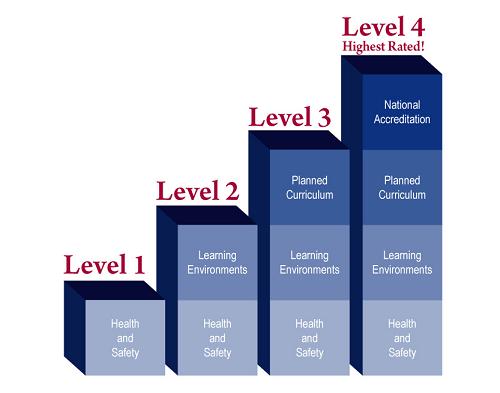
Most of us are aware of investing in shares and mutual funds. We have also heard about investments by Private Equity and Venture Capital firms. This article explains these four investment options and how they differ, from the riskiest to the least risky. There are other types of funds, such as hedge funds, pension funds,…
-
Asset Allocation Strategy
Updated guide: Asset Allocation Strategy for Middle-Class Investors covers this topic in more detail, with a worked example and current tax rules. A question which most investors think about is “What should be my asset allocation strategy?” It is generally believed that equity exposure should decrease as age increases. Some investors think that equity and…
-
Limitations of ETFs
ETFs or Exchange Traded Funds have been gaining popularity in India for several years. ETFs offer some advantages over actively managed Mutual Funds, chiefly lower costs and transparent, rules-based portfolios, but they also suffer from some limitations: 1. Liquidity: ETFs are bought and sold over a stock Exchange. If a particular ETF is not widely…
-

Index Funds and ETFs
Updated November 2026. Looking for a practical guide to choosing index funds in India? See our updated article: Index Funds in India: How They Work and Who They Suit. Index Funds are mutual funds based on an underlying index, such as the Nifty 50 or the Sensex. Index Funds are passively managed, meaning the fund…
-

What Is a Stock Market Index?
An Index is a collection of Stocks. It is composed of Stocks from a particular Industry, Country, Continent or the World. It is also segregated as Developed Markets, Emerging Markets and Frontier Markets (Under-Developed Countries). An Index can be theoretical, or it can have practical applications in the form of Index Funds and ETFs. Indices…
-

International Investments
Updated November 2026 with current rules on remittances and taxation. Indians have been investing in the domestic stock market for several decades. The BSE Sensex was launched in 1986 with a base year of 1978-79, and the NSE Nifty in 1996. The mutual fund sector was opened to private players in 1993 following India’s liberalisation,…