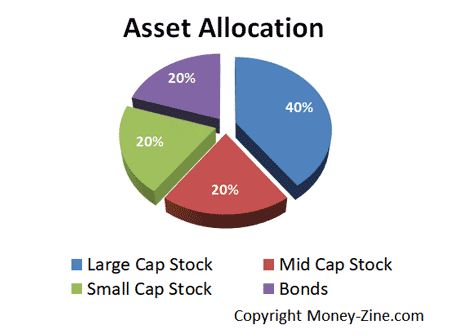
Comparison of strategic and tactical asset allocation approaches

Strategic and Tactical Asset Allocation

Updated guide: for a simple, practical allocation framework, see Simple Asset Allocation for Middle-Class Investors. Strategic Asset Allocation refers to allocation of funds in various asset classes based on Investor’s risk profile and financial goals. Tactical Asset Allocation refers to allocation of funds as per the trend or anticipated price movement in an asset class.…

Updated guide: for a simple, practical allocation framework, see Simple Asset Allocation for Middle-Class Investors.

Strategic Asset Allocation refers to allocation of funds in various asset classes based on Investor’s risk profile and financial goals. Tactical Asset Allocation refers to allocation of funds as per the trend or anticipated price movement in an asset class.

While investing according to Strategic Asset allocation strategy, one invests from a long term perspective. The asset class or financial instruments (Example: Equity, Debt, Mutual Funds, Real Estate, etc.) are selected based on the risk profile of the investor after considering his short term and long term financial goals.

While investing according to Tactical Asset allocation, one invests from a short term perspective. The surplus funds of an individual are invested in assets (Financial or Physical) which are likely to appreciate quickly in the near future. Assets are purchased when their valuation is low or relatively low and are likely to appreciate quickly due to demand or some other economic or political factor. They are sold when the investor feels that they are unlikely to appreciate further in the near future or if he finds another asset class which is likely to give better returns.

Strategic Asset allocation strategy is less risky as compared to Tactical Asset allocation and suitable for investors who are not very active in terms of their approach to investments. Tactical Asset allocation is used for making short term gains. Tactical asset allocation requires a very active approach to investments.

Related reading: asset allocation strategy for middle-class investors, and rebalancing your portfolio: when and how to do it.

Mutual fund investments are subject to market risks. Please read all scheme related documents carefully before investing.

Disclaimer: The content on Mungekar Wealth is for general information and educational purposes only. It is not investment, tax, legal or financial advice, and it is not a recommendation to buy, sell or hold any security, fund or other product. Investments in securities markets are subject to market risks; past performance does not guarantee future returns. Figures quoted are from published sources as of the date of writing and may have changed. Please consult a SEBI-registered investment adviser, chartered accountant or other qualified professional before making any financial decision.


Discover more from Mungekar Wealth

Subscribe to get the latest posts sent to your email.

Sameer C Mungekar avatar

About the Author

Sameer Mungekar worked in India’s investment and personal finance industry from 2015 to 2025, advising individuals and families on mutual funds and insurance. He holds a Commerce degree from the University of Mumbai and completed NISM certifications in Series 5A/5C (Mutual Fund Distributor), 10A/10B (Investment Adviser), 15 (Research Analyst) and 17 (Retirement Adviser), along with an IRDA certification for insurance advisers; these have since lapsed. He now writes Mungekar Wealth as an independent educational resource and does not offer personalised investment advice.