
Sameer C Mungekar
-

Health Insurance in India: How Much Cover You Need
Updated November 2026. For a detailed checklist on choosing a policy under current rules, see: How to Choose Health Insurance in 2026. A Health Insurance Plan is a provision for medical expenses in case of hospitalisation. Health insurance is a basic necessity today because of the steadily rising cost of hospitalisation and medical treatment. Changing…
-

Life Insurance in India: Why Term Insurance Comes First
Updated November 2026. For a step-by-step method to calculate your cover, see our detailed guide: Term Insurance: How Much Cover Do You Actually Need? The purpose of life insurance is to protect your family from loss of income due to the untimely death of the main income earner. For this reason, life insurance is best…
-

How to choose Mutual Fund Schemes?
Updated guide: This topic is now covered in full, with 2026 rules and figures, in our complete guide to mutual funds for beginners. The first step in the Financial Planning process is to decide your goals and review the resources available to achieve the goals. It is also essential to take into consideration the investor’s…
-
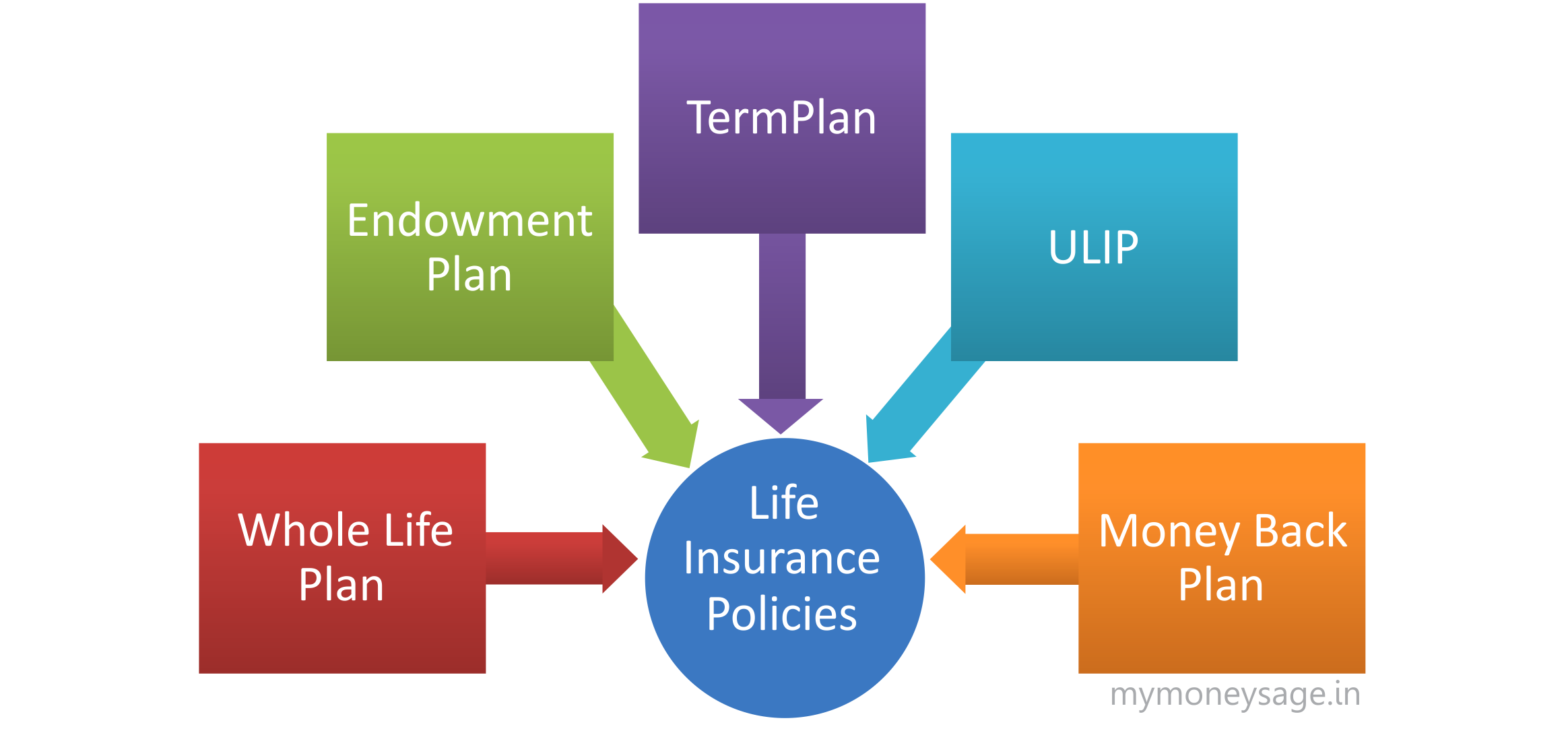
Types of Insurance Policies
Updated November 2026 with current tax rules. Indians have used life insurance as a means of saving for decades, ever since the Life Insurance Corporation of India (LIC) was established as the sole life insurer in 1956. The sector was opened to private insurers in 2000, and many private companies now compete with LIC. Traditional…
-
Mutual Fund Taxation in India: Rules for FY 2026-27
Updated for FY 2026-27 rules. Tax law changes periodically, so please verify current rates with a tax professional before filing. Taxation with regards to Mutual Funds is segregated as Short-Term Capital Gains Tax and Long-Term Capital Gains Tax. Capital Gain refers to the difference between selling price and purchase price of Mutual Fund units. The…
-

The Art of Collecting Pearls
The legendary investor Warren Buffet made his fortune by collecting companies (collecting shares of companies) which have an exemplary track record, bright and long term future prospects and available at a good price. The qualitative parameters he looked at is a sound and able management, which behaves with integrity towards the shareholders. The valuation parameters…
-

Gold Investment in India: Ways to Buy and How It Is Taxed
Updated November 2026. For a comparison of the ways to buy gold today, see: Gold ETFs vs Digital Gold vs Physical Gold. Gold is the most popular commodity in India. It has traditionally been used by Indians as a measure and store of value, and India is one of the largest consumers and importers of…
-

Alternate Investment Funds
Updated November 2026. Alternative Investment Funds (AIFs) are privately pooled investment vehicles regulated by SEBI under the SEBI (Alternative Investment Funds) Regulations, 2012. They are meant for sophisticated investors and generally require a minimum investment of ₹1 crore per investor (₹25 lakh for angel funds). AIFs usually carry more risk, less liquidity and higher fees…
-
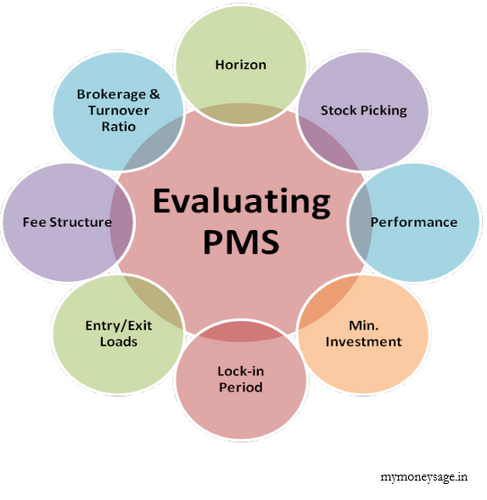
Portfolio Management Services
Updated November 2026. Portfolio Management Services (PMS) are offered by many wealth management firms to cater to the needs of High Net Worth Individuals. A PMS is somewhat like a mutual fund in that a professional manages your money, but your investments are held directly in your own demat account rather than pooled with other…
-

Equity Shares Explained: How Share Investing Works in India
Equity shares represent ownership in a company. Shareholders are part-owners of the business in proportion to the number of shares they hold. Shares were once issued as paper certificates; today they are held almost entirely in electronic form in demat accounts. The Bombay Stock Exchange (BSE), founded in 1875, is the oldest stock exchange in…